Selecting the right water heater for your home is a crucial decision, especially in a place like Minneapolis where the climate can significantly affect your hot water needs. With winters that can plunge below freezing, having a reliable and efficient water heating system is not just a luxury; it is a necessity. Whether you are installing a new unit, replacing an old one, or simply upgrading for better efficiency, understanding your options will enable you to make an informed choice that meets your household's demands.
Understanding Water Heater Types
Water heaters come in various types, each with its unique advantages and disadvantages. The most common types for residential use include tankless, storage tank (or conventional), heat pump, and solar water heaters. Each option has distinct features that cater to different needs.
Storage Tank Water Heaters
These are the traditional units found in most homes. They store hot water in a tank, ready for use whenever needed. One major benefit of these units is their relatively low upfront cost and general water heater repair services ease of installation. However, they take up substantial space and can lead to higher energy bills due to standby heat loss—energy wasted on maintaining the temperature of stored hot water.
Tankless Water Heaters
Also known as on-demand water heaters, these units heat water directly without the need for a storage tank. They provide hot water only when necessary, which can lead to significant energy savings over time. Their compact size makes them ideal for smaller homes or apartments. However, they have a higher initial cost and may require upgrades to your home’s electrical or gas systems.
Heat Pump Water Heaters
Utilizing electricity to move heat from one place to another rather than generating heat directly, these units can be incredibly efficient. They work best in moderate climates but can still be effective in Minneapolis if installed correctly. The downside includes their higher purchase price and the requirement for ample space around the unit for airflow.
Solar Water Heaters
Harnessing solar energy, these systems can dramatically reduce utility bills but often require significant upfront investments and sunny conditions to function efficiently. In Minneapolis' colder months, supplementary heating may be necessary, making them less practical as standalone solutions.
Assessing Your Hot Water Needs
Before making any decisions about installation or replacement, consider how much hot water your household uses daily. The first step is to evaluate your peak usage times—what does morning look like when everyone is showering? How many loads of laundry do you run each week?
On average, a family of four typically requires about 50 gallons of hot water per day for bathing, cooking, cleaning, and laundry purposes. If you find that your current system struggles during peak times—perhaps with multiple showers running simultaneously—it may indicate an undersized unit that needs replacing with one capable of meeting those demands.
Additionally, assess whether you prefer immediate access to large quantities of hot water or if you can adapt to waiting for it during off-peak times with a tankless system.
Energy Efficiency Ratings
Energy efficiency should be one of your primary considerations when selecting a new water heater. Look at the Energy Factor (EF) rating on potential units; this number measures how efficiently the heater converts energy into hot water over time.
The higher the EF rating, the more efficient the unit will be in terms of operational costs and environmental impact. For instance:
- Storage Tank Units: Generally range from 0.5 to 0.95 EF. Tankless Units: Typically achieve ratings between 0.8 and 0.99 EF. Heat Pump Models: Often have ratings above 2.0 EF due to their innovative operation methods.
Choosing an efficient model may have a higher upfront cost but will save money on monthly utility bills over time.
Installation Considerations
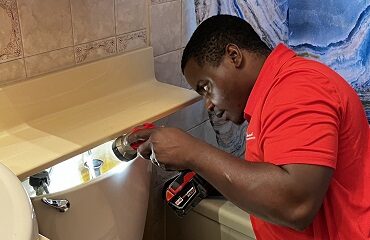
Once you've decided on the type and size of your new water heater, consider who will install it and how this affects overall costs. Professional installation ensures that all safety codes are met while optimizing expansion tank repair performance based on local regulations specific to Minneapolis.
When seeking professional help:
Verify licensing and insurance status. Review customer testimonials or get references from previous clients. Ask about warranty options on both labor and parts after installation. Discuss any additional improvements needed—like upgrades to gas lines or electrical systems—to support more advanced models such as tankless or heat pump systems.Investing in professional installation cannot only guarantee quality workmanship but also offer peace of mind regarding future repairs or replacements as issues arise.
Common Issues and Repairs
Even with high-quality installations and appliances, issues can arise over time requiring attention from professionals specializing in hot water tank repair, water heater repair, or other related services.
Some common problems homeowners face include:
- No Hot Water: This could stem from various issues such as thermostat malfunctions or sediment buildup affecting heating elements. Leaking Tanks: A leaking unit often signals serious problems needing urgent attention before further damage occurs. Pilot Light Issues: Particularly relevant for gas units; if the pilot light won’t stay lit, it may indicate faulty components needing replacement. Sediment Buildup: Over time minerals from hard water can accumulate inside tanks leading to inefficiencies; regular flushing services help maintain performance.
Understanding these potential challenges ensures you remain proactive rather than reactive when managing your home's hot water system.
Choosing Between Repairing or Replacing
When faced with issues such as inconsistent heating or leaks that seem manageable at first glance—it’s crucial to weigh repair against replacement costs carefully:
If repairs exceed half of what it would cost for a new model—or if your appliance is ten years old—it might be more economical long-term to replace it instead. Consider upcoming maintenance needs; older models often require frequent service visits compared to newer ones designed with longevity in mind. Evaluate efficiency: Newer models generally consume less energy even when factoring initial costs into consideration against older units that struggle with consistent performance.By taking these factors into account early on—before crises arise—you set yourself up for smoother transitions down the line while optimizing comfort throughout harsh winter months ahead!
Local Regulations and Incentives
In Minneapolis specifically—and Minnesota at large—there are often state-specific regulations governing plumbing installations including those related specifically towards improving energy efficiency standards through available rebates offered by utilities companies! Be sure always consult local guidelines before finalizing any decisions!
Many municipalities incentivize homeowners who choose environmentally friendly options like heat pumps which often qualify homeowners not just saving money initially but providing ongoing savings via reduced utility bills!
Research whether there are programs available through local utility providers covering part (or all) costs associated with purchasing modern equipment meeting mandated efficiency levels established within state law frameworks!
Conclusion
Selecting the right water heater requires careful thought about various factors—from understanding different heater types through evaluating specific household needs—all while considering long-term economic impacts associated with energy consumption rates!
By investing time upfront researching individual preferences alongside local resources available—you ensure optimal choices made today lead toward greater satisfaction tomorrow!
With proper planning now conducted accordingly - enjoy warm showers without worries about breakdowns later down road ahead!